Dulce de Leche Cake: The Argentine Birthday Cake, Step by Step
A plain sponge, three layers and far too much dulce de leche. The cake many Argentines grew up with, and how to make it at home.
By Daniel MellicovskyBaker and owner, Melly's Cookiebar
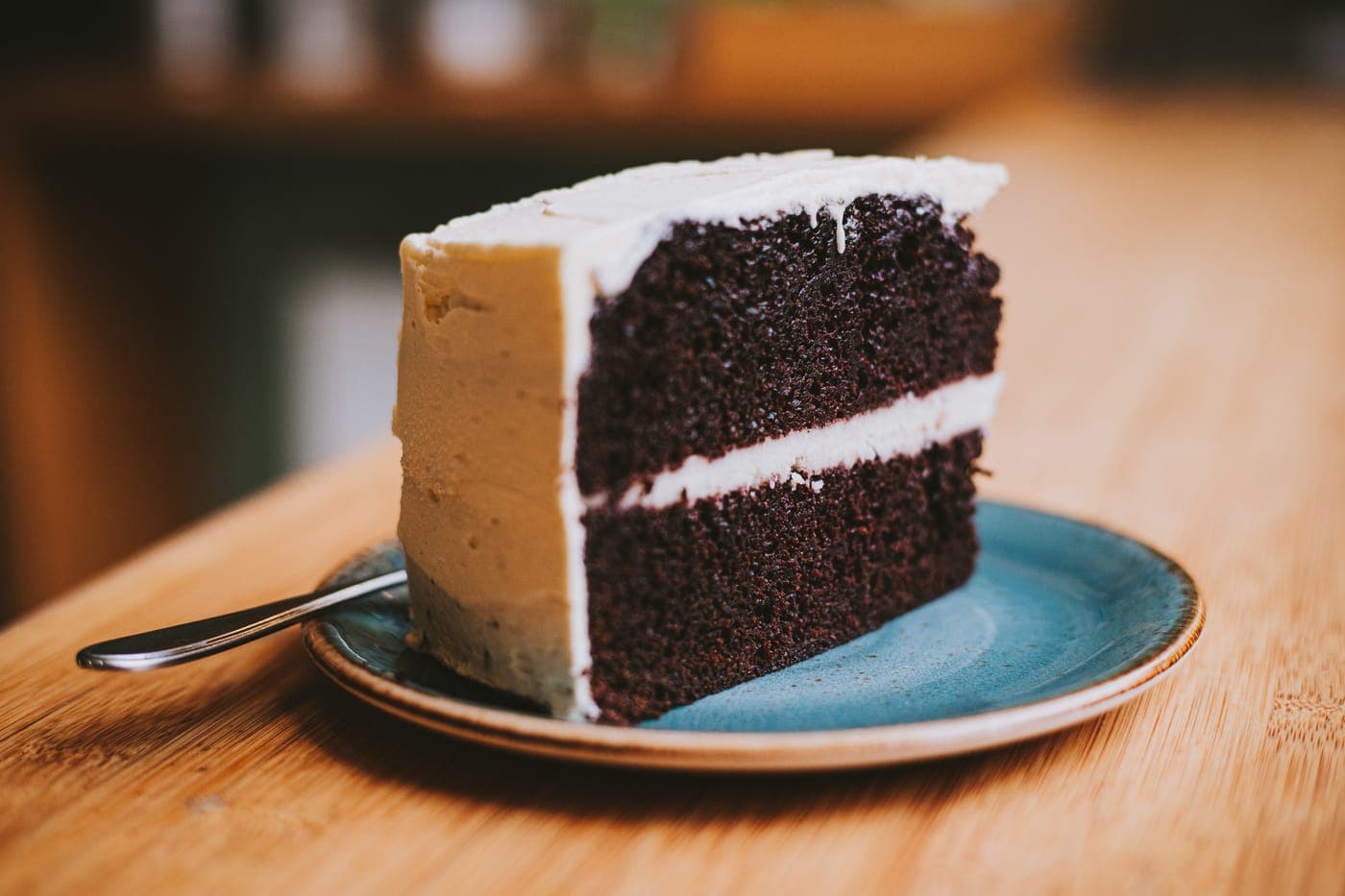
Ask Argentines what their birthday cake looked like when they were small and many will describe the same thing: a plain sponge, split into layers, brushed with a little syrup and filled with far too much dulce de leche. At home it is just torta de dulce de leche, and it is less a fixed recipe than a method. Once you have the method, you can finish it with coconut, whipped cream, meringue or nothing at all.
This is the version we would make at home: a four-egg sponge, three layers and about 700 g of dulce de leche. You can make the dulce de leche from milk and sugar or from a can of condensed milk, but for a cake this size a shop jar saves you an afternoon.
Ingredients
For the sponge (one 22 cm round tin):
- 4 eggs, at room temperature
- 120 g caster sugar
- 120 g plain flour
- 1 teaspoon baking powder (optional, see below)
- 1 teaspoon vanilla extract
- A pinch of salt
For the syrup:
- 100 ml water
- 50 g sugar
- A splash of rum, orange liqueur or strong coffee (optional)
For the filling and the finish:
- About 700 g dulce de leche
- Optional: 80 g desiccated coconut, 250 ml whipping cream or a handful of chopped walnuts
The sponge is the Argentine bizcochuelo, often written as four eggs, four heaped tablespoons of sugar and four of flour: about 30 g of each per egg. A traditional bizcochuelo rises only on the air whisked into the eggs. The baking powder is insurance if your eggs are small or you have never made a whisked sponge before.
For the filling, the thick repostero dulce de leche is the one that stays put between layers. A softer clásico works too if you spread thinner layers and give the cake a longer rest in the fridge.
Bake the sponge
- Heat the oven to 180 °C (160 °C fan). Line the base of the tin with baking paper and grease and flour the sides.
- Whisk the eggs, sugar, vanilla and salt with an electric mixer on high for 8 to 10 minutes, until the mixture is pale, thick and about three times its original volume. When you lift the whisk, the batter should fall in a ribbon that sits on the surface for a few seconds. This is where the cake gets its lift, so do not cut it short.
- Sift the flour, and the baking powder if using, over the eggs in three goes. Fold each one in gently with a large spatula, cutting down through the middle and turning the bowl, and stop as soon as no dry flour is left.
- Pour the batter into the tin and bake for 30 to 35 minutes. Do not open the oven in the first 20. It is done when the top is golden, springs back when you press it and a skewer comes out clean.
- Leave it in the tin for 10 minutes, then turn it out onto a rack and let it cool completely. If you can, bake it the day before: a sponge that has rested overnight, wrapped, cuts into cleaner layers.
Make the syrup
Bring the water and sugar to the boil, let it bubble for two minutes and leave it to cool. Stir in the rum, liqueur or coffee if you are using it. In Argentina this is the almíbar, and its job is to keep the sponge moist, not to make it wet.
Assemble the cake
- If the dulce de leche is stiff, beat it in a bowl with a spoon for a minute until it is smooth and spreadable. Do not warm it: warm dulce de leche runs.
- If the sponge has domed, slice the dome off so it sits flat. Then cut it horizontally into three even discs with a long serrated knife, turning the cake as you saw.
- Put the first disc on a plate or board and brush it with a third of the syrup. Spread about 200 g of dulce de leche over it, stopping a centimetre from the edge: the weight of the next layer pushes it out.
- Add the second disc, another third of the syrup and another 200 g of dulce de leche.
- Keep the original bottom of the sponge for the top and lay it cut side down: its flat, smooth side makes the neatest top. Brush it with the rest of the syrup.
- Cover the top and sides with the remaining dulce de leche and finish the cake (below). Chill it for at least two hours, or overnight, so the filling sets and the layers stay put when you cut it.
Four ways to finish it
- Coconut. Press desiccated coconut into the dulce de leche on the sides and scatter it over the top. It is the same pairing as the coconut-rolled edges of alfajores de maicena.
- Whipped cream. Whip 250 ml of cream with a tablespoon of sugar to soft peaks and spread it over the dulce de leche. Add slices of tinned peaches between the layers and you have the birthday cake of a lot of Argentine childhoods.
- Meringue. A layer of Italian meringue, browned with a kitchen torch, takes the cake halfway to a rogel (more on that below).
- Walnuts, or nothing. Chopped walnuts pressed into the sides add crunch. Or leave it bare, with a few swirls of the spatula on top.
When it goes wrong
- The sponge is flat and dense. The eggs were not whisked long enough, or the flour was stirred in instead of folded. The batter should still look airy when it goes into the tin.
- The sponge sank in the middle. The oven was opened too early or the cake came out underbaked. Check with a skewer before you take it out.
- The layers slide. The dulce de leche was too soft or the cake went to the table without chilling. Use a thick dulce de leche, keep it cold and give the cake its two hours in the fridge.
- The dulce de leche tears the sponge. It is too stiff. Beat it with a spoonful of milk until smooth. Brushing on the syrup first also helps, because a dry sponge crumbles.
- It is too sweet. Use less dulce de leche between the layers, finish with unsweetened whipped cream, or put coffee in the syrup.
Storing it
Keep the cake covered in the fridge and eat it within three to four days, or within two if it has whipped cream. Take it out about half an hour before serving: straight from the fridge the dulce de leche is firm and the sponge tastes of less.
Other Argentine cakes with dulce de leche
- Rogel. Eight to ten wafer-thin, crisp pastry discs stacked with dulce de leche and topped with Italian meringue. It is the most famous Argentine dulce de leche cake and the most work, since every disc is rolled and baked on its own.
- Chocotorta. The no-bake one: chocolate biscuits dipped in coffee and layered with dulce de leche beaten into cream cheese. Our chocotorta recipe has the details.
- Postre Balcarce. Sponge, dulce de leche, whipped cream and crushed meringue with nuts, named after the town in Buenos Aires province where it was created.
Or order ours
If what you want is the cake and not the afternoon, our Cookiebar in Amsterdam bakes a chocolate cake layered with dulce de leche custard, in a large size for 14 and a smaller one for 8 to 10. You can order one for today or any day in the next two months, with a short message on top if you want one, and pick it up at the shop. Our birthday cakes page explains how ordering works.
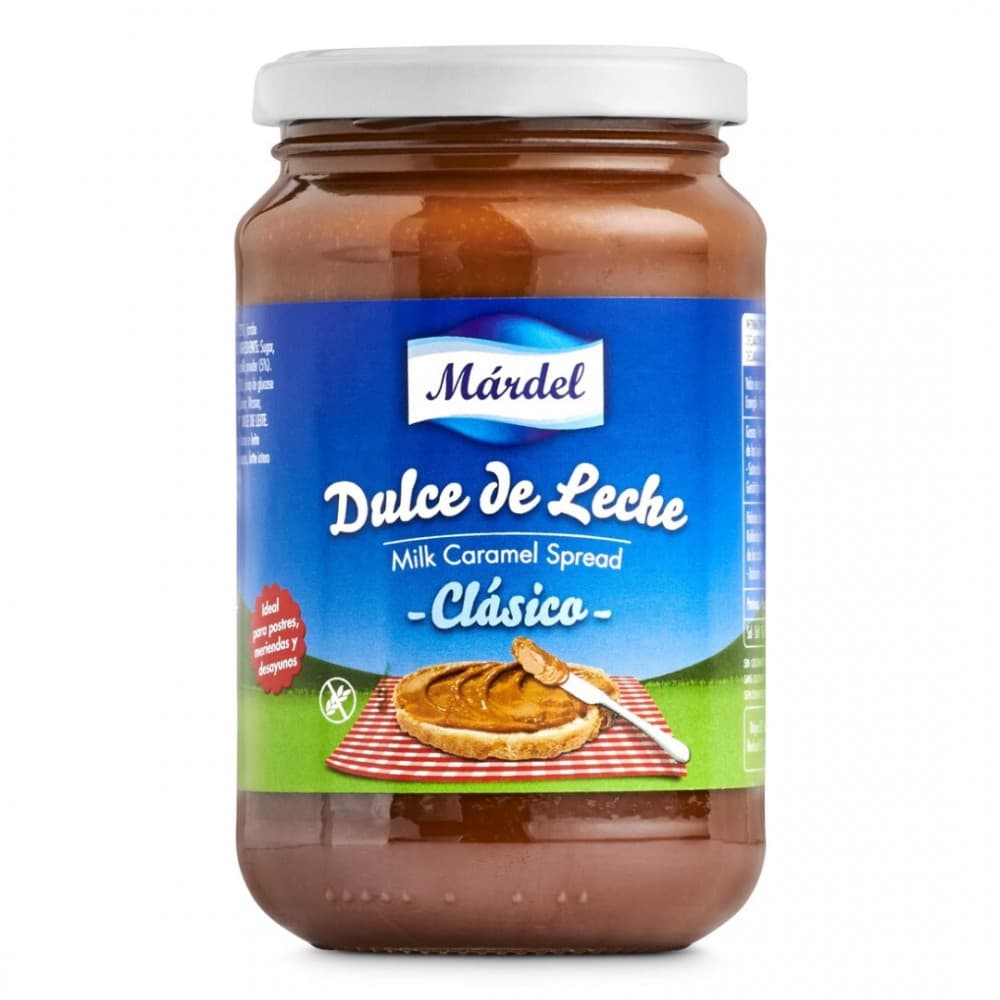
For the homemade version, we stock two Argentine jars, Mardel Clásico and Havanna, and both ship across the Netherlands, Europe and the UK from our Argentine shop.
Taste it warm in Amsterdam
Order fresh stroopwafels to your door, or learn to make your own at a Melly's workshop in the heart of the city.