Dulce de Leche from Condensed Milk: Three Easy Methods
One can of condensed milk, a few hours of gentle heat, and you have golden dulce de leche. Here is how to do it safely.
Von Daniel MellicovskyBaker and owner, Melly's Cookiebar
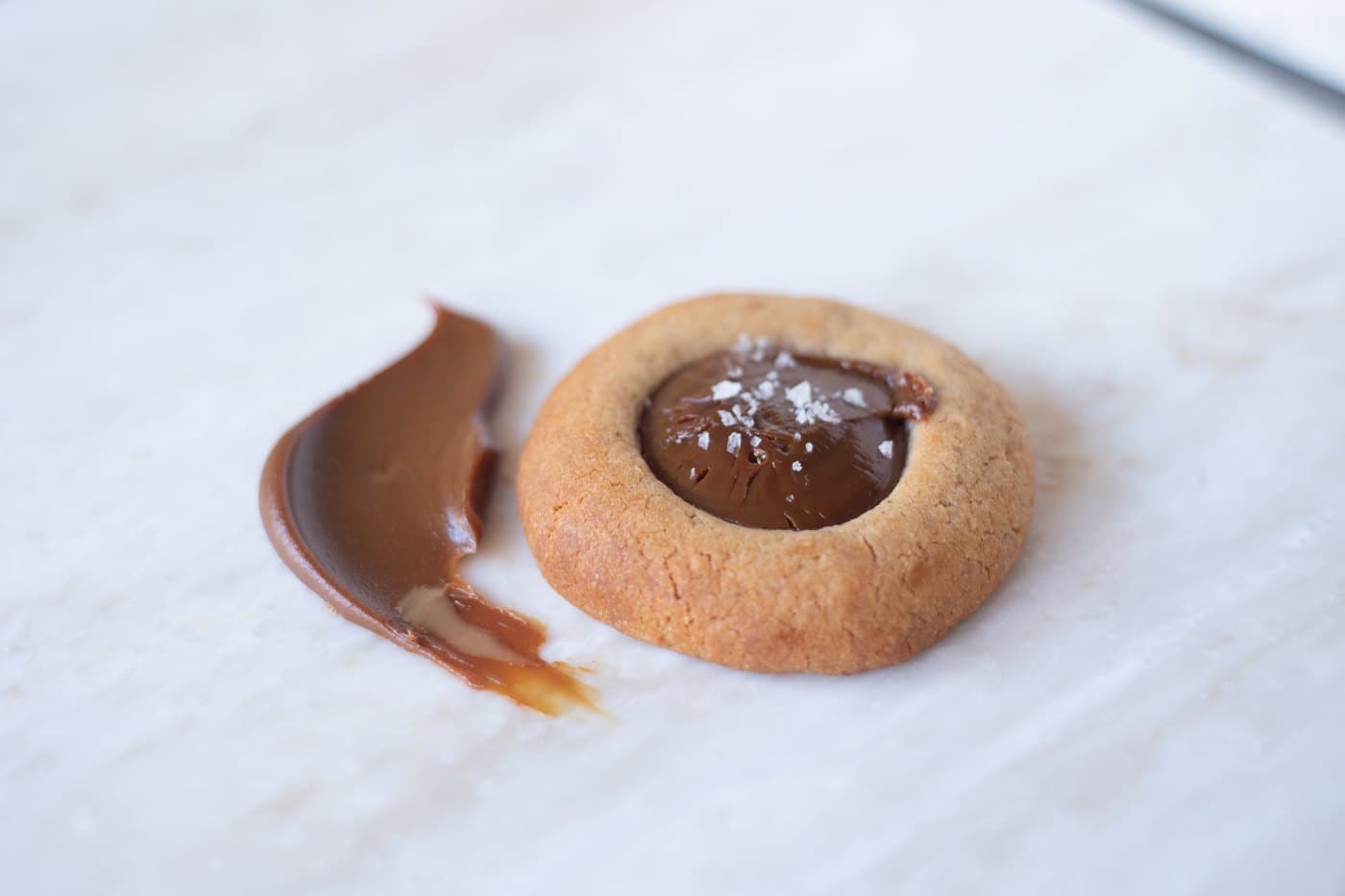
The most famous shortcut in the sweet kitchen is real: you can turn a can of sweetened condensed milk into dulce de leche. Give it slow, gentle heat for long enough and the milk sugars caramelise into a thick, golden spread. In Argentina, dulce de leche is traditionally made from fresh milk and sugar, but the condensed milk method is how most home cooks abroad get their first taste. Here are the three ways to do it, and the one safety rule you should not skip.
The safety rule first
Most methods cook the unopened can. That is safe on one condition: the can must stay fully covered with water for the whole cooking time. If the water level drops below the can, pressure can build up and the can may burst. Top up with hot water as it evaporates, and always let the can cool completely before opening it.
Method 1: the stovetop can
Place the unopened can on its side in a large pot, cover it with plenty of water and simmer gently. Two hours gives you a pale, pourable caramel; three hours gives the deep amber, spoon-thick texture Argentines expect. Let it cool in the water before opening.
Method 2: the oven
Pour the condensed milk into an oven dish, cover it tightly with foil and set the dish in a larger tray of hot water. Bake at 200°C (400°F) for about 90 minutes, topping up the water bath now and then, then whisk it smooth. This is the easiest method to watch and control.
Method 3: the slow cooker
Submerge the closed can in a slow cooker full of water and cook on low for eight hours. It is the most hands-off version, and the gentle heat gives a very even colour.
How it compares to the real thing
Condensed milk dulce de leche is sweet, pale and very good on toast. The real Argentine article, slow-cooked from fresh milk and sugar, is deeper, silkier and less sugary, which is why it is worth tasting the benchmark at least once. We import Havanna dulce de leche from Mar del Plata and ship it from our Argentine shop in Amsterdam across the Netherlands, Europe, the UK and the US.
What to make with it
- Fill a batch of homemade alfajores
- Layer a no-bake chocotorta
- Swirl it through brownies, cheesecake or ice cream
- Or keep the spoon and skip the baking altogether
Probier es warm in Amsterdam
Bestell dir frische Stroopwafels direkt nach Hause oder lerne bei einem Melly’s-Workshop im Herzen der Stadt, wie man sie selbst backt.