What Is Yerba Mate? The Plant, the Taste and the Ritual
Less a drink than a habit. The plant, the gear, the two rules that catch foreigners out, and where to start.
Par Daniel MellicovskyBaker and owner, Melly's Cookiebar
Yerba mate is a caffeinated infusion made from the dried leaves of a South American holly tree, drunk from a small gourd through a metal straw and shared around a circle of people. That is the one-line answer. The longer answer is that in Argentina, Uruguay and Paraguay it is less a drink than a habit: the thing you reach for when you wake up, when you sit down to work, when a friend comes over and neither of you has said much yet.
We sell it, we drink it all day in the bakery, and we get asked what it is more than any other product on the shelf. So here is the whole picture: the plant, the taste, the ritual, and how to try it without buying the wrong thing.
The plant
Mate comes from Ilex paraguariensis, a holly native to the subtropical forests where Argentina, Paraguay and Brazil meet. The leaves are harvested, dried over heat, aged for months and then milled. What ends up in the bag is a mix of leaf and stem, and that mix is one of the first things to look at when choosing one. Con palo, with stems, is milder and easier to start with. Sin palo, leaf only, is stronger and more bitter.
The Guaraní people drank it long before anyone wrote the word down. The Jesuits planted it in the 1600s, the plantations of Misiones and Corrientes came later, and today it is the everyday drink of tens of millions of people who mostly never think of it as anything exotic.
What it tastes like
Grassy, a little smoky, and bitter in the way that strong green tea or black coffee is bitter: a bitterness you grow into rather than one you fight. The first few sips from a fresh gourd are the strongest. As you refill, the flavour softens and rounds out, which is why a gourd is meant to be poured many times rather than once.
If you have had it and found it undrinkable, the water was probably too hot. Boiling water scorches the leaves and turns the whole thing acrid within two pours. Tradition puts the water somewhere between 70 and 80 degrees, and that single detail changes more than the brand does.
The gear, and why it matters
Three things, none of them optional if you want the real version:
- The mate, which is both the name of the drink and the name of the cup. Traditionally a hollowed gourd, now also wood, glass, ceramic or steel. The gourd is the classic for a reason: it is cured with use and picks up flavour over time.
- The bombilla, a metal straw with a filter at the bottom. It lets the water through and keeps the leaves out. You do not stir with it; you place it once and leave it.
- A thermos, because the whole point is many small pours over an hour or two, and nobody walks back to the kettle twelve times.
How it is drunk
Mate is social by design. One person, the cebador, fills the gourd, drinks the first pour themselves (it is the bitterest and the one that settles the leaves), refills it and hands it to the next person. That person drinks the whole gourd, hands it back, the cebador refills, and it goes round again. Same gourd, same bombilla, one thermos, as long as the water lasts.
Two rules that catch foreigners out. You do not say thank you when you hand the gourd back unless you want to stop: gracias means you are done. And you do not move the bombilla. Both are small, both matter, and both will get you a smile if you get them right.
Paraguay drinks it cold as tereré, with iced water or juice, which makes a lot of sense in forty-degree summers. And most of the region also knows mate cocido, the same leaf brewed like a tea bag in a mug, which is how many children first meet it.
What it does to you
A gourd of mate carries roughly as much caffeine as a cup of coffee, but it arrives in small sips over a long stretch rather than all at once, alongside theobromine, the gentler stimulant in dark chocolate. People who switch from coffee tend to describe the same thing: awake, steady, no early afternoon slump. It also has a lot of plant polyphenols, the same family found in green tea. What the research does and does not support beyond that, we went through carefully in yerba mate benefits.
How to try it without wasting money
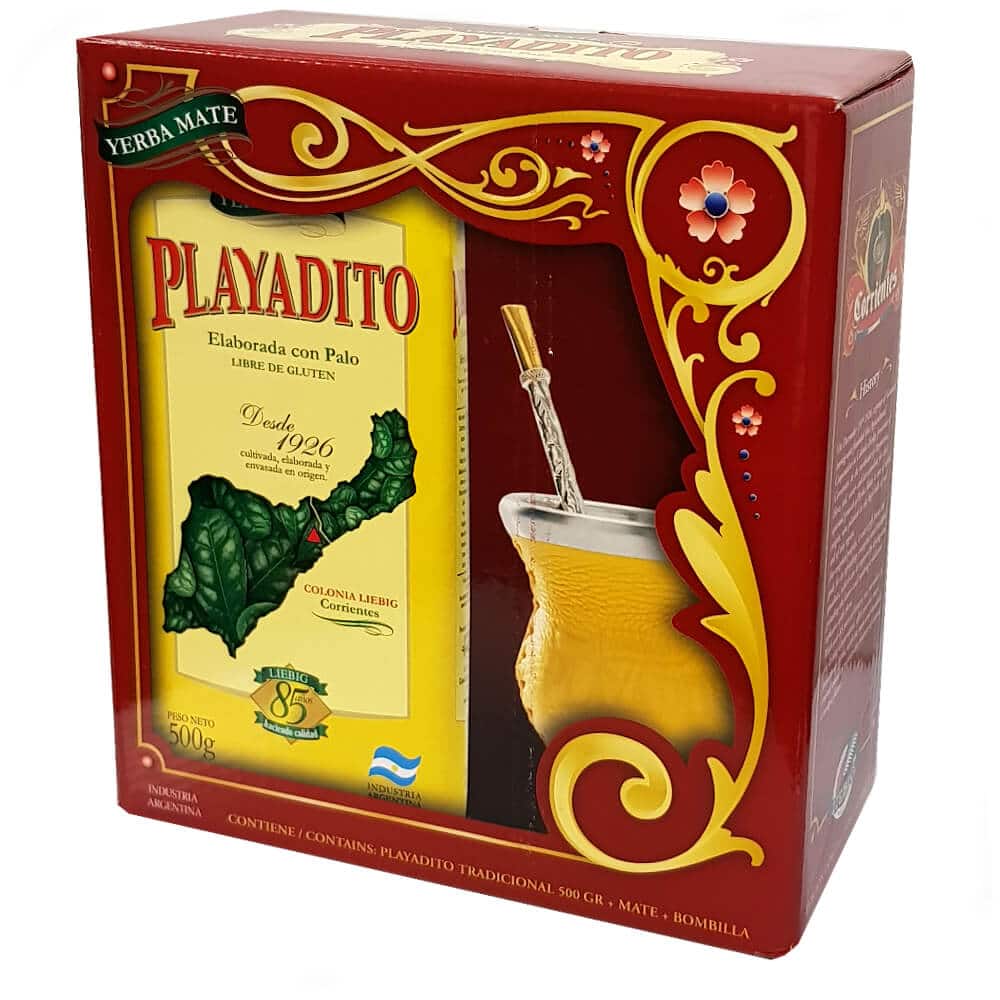
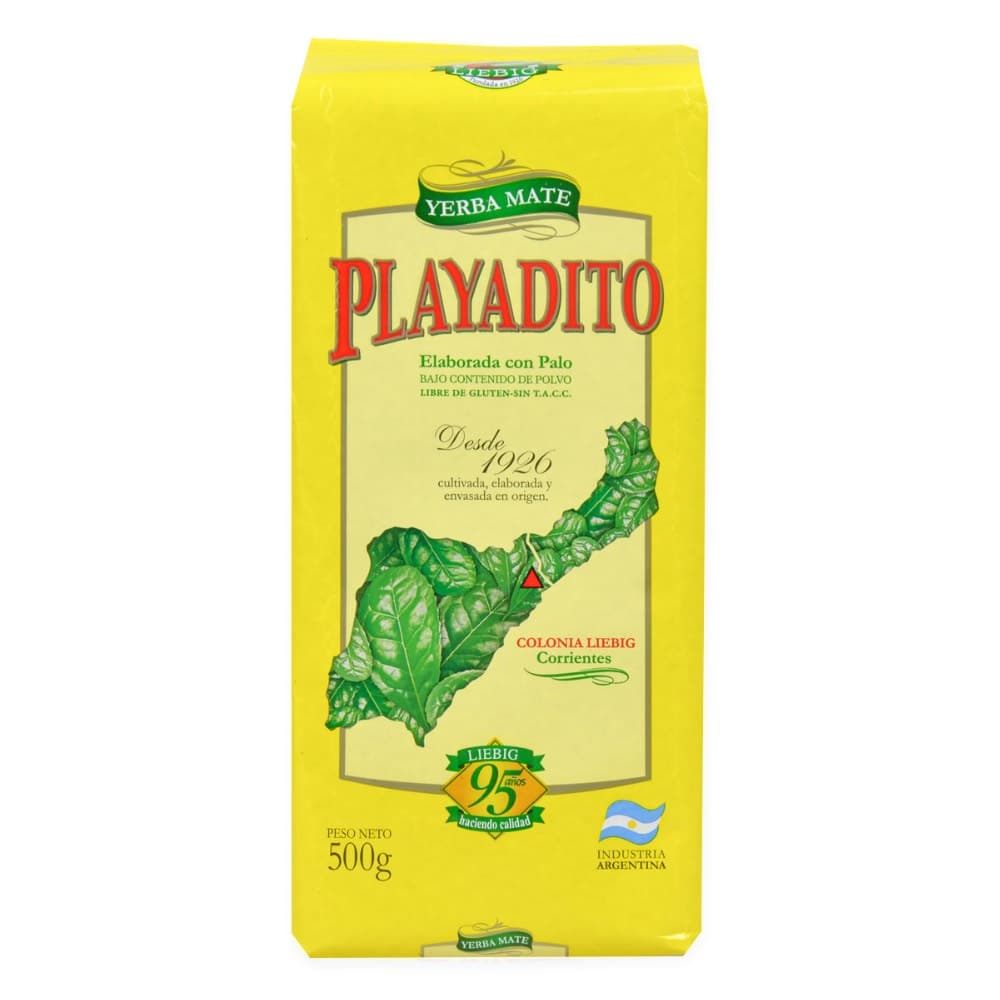
Start with a mild yerba with stems. Playadito is the one most Argentine households grow up with, and the reason we stock it in the 500 g pack is that it lets you find out whether you like it before committing to a kilo. If you have nothing at all, the Playadito starter box puts the gourd, the bombilla and the yerba in one order. Then read how to prepare yerba mate, which takes you from curing a new gourd to keeping the flavour alive across refills.
Once you know what you like, the full yerba mate shelf has Playadito, Taragüi, Rosamonte and Canarias, shipped from Amsterdam across the Netherlands, Europe, the UK and the US. And if you are in the city, come by and ask. Someone in the bakery will have a gourd going.
Déguste-le chaud à Amsterdam
Commande des stroopwafels tout frais livrés chez toi, ou apprends à les faire toi-même lors d'un atelier chez Melly's, en plein cœur de la ville.